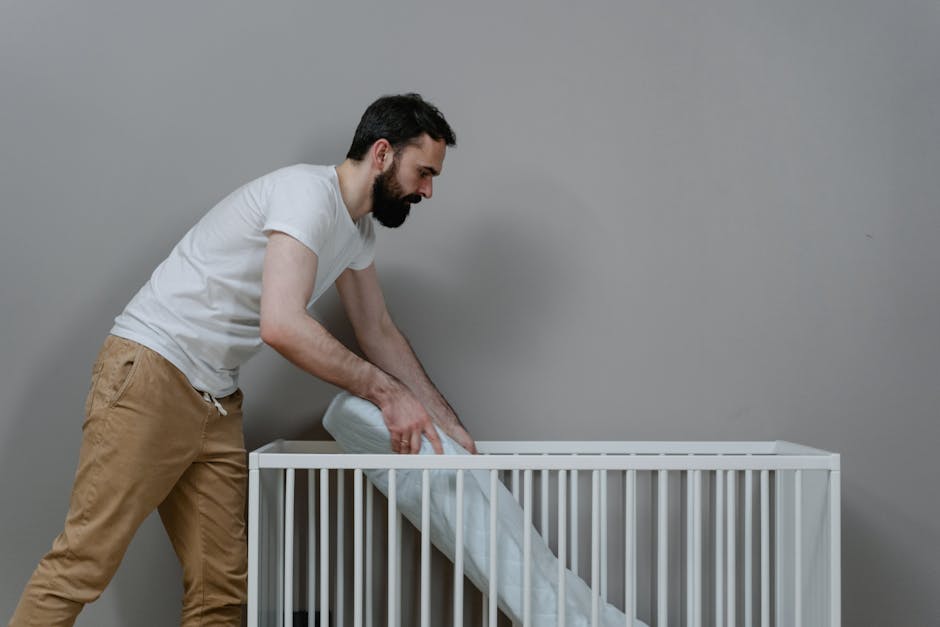
Professional methods for safe mattress and furniture disposal
Getting rid of a mattress or bulky furniture sounds simple until you are staring at a stairwell, a heavy frame, and a sofa that will not fit through the door. That is where Professional methods for safe mattress and furniture disposal make a real difference. Done properly, disposal is safer, cleaner, quicker, and far less stressful than trying to wing it on a Saturday morning with a borrowed van and a bit of hope.
In practice, professional disposal is not just about lifting heavy items away. It is about checking what can be reused, what should be recycled, how to move items without damage, and how to keep the process safe for people and property. It also helps if you live in a flat, run an office, or need several rooms cleared at once. This guide walks through the full process in plain English, so you can make a confident decision and avoid the usual headaches.
Table of Contents
- Why this matters
- How the process works
- Key benefits and practical advantages
- Who needs this service
- Step-by-step guidance
- Expert tips for better results
- Common mistakes to avoid
- Tools, resources and recommendations
- Law, compliance and best practice
- Options and comparison table
- Real-world example
- Practical checklist
- Conclusion
- Frequently asked questions
Why Professional methods for safe mattress and furniture disposal Matters
Mattresses and furniture are awkward for a reason. They are bulky, often heavy, and usually not designed to come apart neatly. A divan base can snag on a bannister. A wardrobe can tip. A damp mattress can be unpleasant to handle, and if you have ever moved an old sofa on a rainy London afternoon, you will know it can turn into a muddy, scratched-up mess very quickly.
Safe disposal matters because the risks are real: back strain, cuts from broken fixings, damage to walls and floors, blocked exits, and simple non-compliance if waste is left where it should not be. There is also the environmental side. Mattresses, in particular, contain mixed materials that are much easier to sort properly when they are handled by a team that knows what they are doing.
Professional methods help you avoid that last-minute scramble. They are especially useful when the items are old, dirty, infested, water-damaged, or simply too large for normal collection. And let's be fair, most people do not want a mattress leaning in the hallway for three days while everyone steps around it.
Expert summary: safe disposal is really a mix of planning, lifting technique, sorting, transport, recycling, and compliance. When each part is handled properly, the whole job becomes calmer and cheaper than the mistakes people make trying to do everything themselves.
How Professional methods for safe mattress and furniture disposal Works
The process usually starts with a quick assessment. A professional team will want to know what items need removing, where they are located, whether stairs or tight corners are involved, and whether anything needs dismantling. That first step sounds small, but it prevents most of the problems later on. It is a bit like measuring a doorway before buying a wardrobe. Annoying if skipped. Very useful if not.
Next comes the load plan. This is where the team decides how to move the items safely, what equipment is needed, and whether the items can be lifted as they are or should be broken down first. For furniture disposal, that might mean removing drawers, taking legs off a table, or separating bed frames from mattress components. For mattresses, it usually means checking condition and making sure the item is wrapped or carried in a way that keeps the space clean.
Then comes collection and transport. Professional crews use the right vehicle, secure the load properly, and move the waste to approved processing routes. Depending on the condition of the item, that may include reuse, recycling, or disposal. If you are dealing with mixed household waste too, a broader waste removal approach can make the whole job more efficient.
Finally, there is the handover and sorting stage. Reusable pieces may be set aside, recyclable materials separated where possible, and the remainder transferred responsibly. If you need a more focused service, furniture disposal or furniture clearance may be the better fit than a general clearance.
Key Benefits and Practical Advantages
There is a reason people choose professional help rather than improvising. The obvious benefit is physical safety, but there are several others that matter just as much.
- Less lifting risk: bulky furniture is a common cause of strain and accidents when handled by one or two unprepared people.
- Cleaner removal: professional teams protect floors, corners, walls, and shared areas, which is especially useful in flats and conversions.
- Better recycling outcomes: mattresses and furniture often contain materials that can be separated if the disposal method is planned properly.
- Faster turnaround: what might take you a whole weekend can often be dealt with in a single visit.
- Less disruption: ideal when you are moving out, renovating, or making space for new items.
Another benefit people overlook is emotional. Clearing out an old bed after a move, a bereavement, or a long-overdue room refresh can feel surprisingly heavy. Having the disposal handled calmly and respectfully makes the whole thing easier. Not dramatic. Just true.
If you are managing a fuller property clearance, a broader service such as home clearance or house clearance can be more practical than arranging several separate collections.
Who This Is For and When It Makes Sense
Professional disposal is not only for people with huge clearances. It makes sense in a surprisingly wide range of situations. A one-bedroom flat with a broken bed base. A family home with an old dining set that has been sitting in the garage for years. An office replacing worn seating. A landlord preparing a property between tenancies. All of these are common, and all of them benefit from a structured approach.
It also makes sense when the item is simply too awkward to move safely. If you live upstairs, share a narrow staircase, or need to carry items through communal areas, the risk of damage rises quickly. In those cases, a service designed for flat clearance can save time and reduce the chance of complaints from neighbours. Nobody wants a wardrobe scrape echoed down the stairwell at 8 a.m.
Businesses should think about this too. Offices replacing chairs, desks, or breakroom furniture often need fast removal with minimal interruption, and a planned office clearance can keep work moving while the old items are taken away properly.
Truth be told, the best time to arrange disposal is before the item becomes a problem. Once a mattress is damp, mouldy, or blocking a room, the job becomes more complicated. Not impossible, just less pleasant.
Step-by-Step Guidance
Here is a straightforward way to think about the job from start to finish.
- Identify the items. Note the size, type, condition, and number of pieces. A bed frame plus mattress is different from a sofa, sideboard, and wardrobe.
- Check access. Look at stairs, lifts, door widths, parking, and any shared entrances. This is where many DIY plans quietly fall apart.
- Separate what can be reused. If an item is in good condition, consider whether it could be donated, reused, or repurposed before disposal.
- Prepare the item safely. Remove loose contents, secure drawers, and clear the route out of the room.
- Use the right lifting method. Keep loads manageable, bend your knees, and avoid twisting. If it feels awkward, stop and rethink it.
- Disassemble where needed. Beds, wardrobes, and large tables are often much safer when broken down into smaller parts.
- Move items carefully. Protect corners, use blankets or wraps if necessary, and keep the route clear.
- Sort for reuse or recycling. Mattress springs, timber, metal frames, and fabrics may all need different handling.
- Confirm final disposal. Make sure the waste is taken to appropriate facilities or processing routes.
A practical example: a king-size mattress in a top-floor flat may be impossible to turn on the landing without damaging the wall. If the frame can be dismantled first and the mattress wrapped, the job becomes far more manageable. Little things like that make a big difference.
Expert Tips for Better Results
One of the simplest tips is to plan around the building, not just the item. The furniture may be heavy, but the real challenge is often the route out. Measure the corridor if you have to. It sounds over-cautious until you are halfway through a doorway with no good angle left. Then it sounds wise.
Another tip: separate your disposal decisions early. If you already know you want to clear several items, bundle them into one visit rather than spreading the job out. That keeps the process cleaner and often more economical. A combined household clearance can be a lot more efficient than handling each item separately.
Also, take photos before collection if you are managing a property, landlord turnover, or business site. Not because you expect a problem, but because it helps keep records clear. A simple before-and-after set can save awkward questions later.
And here is a small but useful one: if a mattress smells musty, keep it away from soft furnishings and avoid dragging it across carpets. It sounds obvious. It is still worth saying.
Best practice in one line: keep the route clear, reduce the size of the load, and make sorting decisions before the team arrives. That is the quiet formula behind a smooth disposal day.
Common Mistakes to Avoid
People usually get into trouble for one of four reasons: they underestimate the weight, they ignore access, they wait too long, or they try to move everything in one go. The result is often scratched walls, broken fittings, tired backs, and a lot of muttering under the breath.
- Trying to carry oversized items solo. Even "light" furniture can be badly balanced.
- Skipping disassembly. A bed frame in two pieces is far easier than a bed frame in one.
- Leaving disposal too late. Rushed decisions usually cost more time and cause more mess.
- Forgetting communal rules. In shared buildings, timing and access matter as much as lifting technique.
- Not checking what can be recycled. Some items are better handled through organised sorting than straight disposal.
Another common mistake is assuming all disposal services are the same. They are not. A mattress collection, a bulky sofa removal, and a full room clearance all need different levels of preparation. If you need something broader, a house clearance approach may be the better fit. If it is just a few items, a more targeted removal is often simpler.
Tools, Resources and Recommendations
You do not need a garage full of specialist kit, but the right tools make the work safer. Basic items such as gloves, protective coverings, tape, a trolley, furniture sliders, and a screwdriver set can make a huge difference. For larger jobs, blankets and straps help protect both the item and the property.
There are also practical resources worth keeping in mind:
- Measuring tape: useful for checking access and making dismantling decisions.
- Heavy-duty bags or wraps: helpful for loose bedding, small fittings, or dirty mattress surfaces.
- Basic tool kit: often enough to remove bed slats, legs, hinges, or drawers.
- Vehicle access planning: if the collection point is tight, think in advance about parking and loading.
- Written notes: handy for landlords, agents, and business managers coordinating several pieces at once.
If you are comparing disposal providers, it can also help to look at practical details such as pricing and quotes, payment and security, and insurance and safety. Those pages help you judge how organised and transparent a provider really is.
For customers who care about where the waste ends up, recycling and sustainability is a useful sign that the company thinks beyond the collection itself.
Law, Compliance, Standards, or Best Practice
For UK readers, the main point is simple: waste should be handled responsibly and passed to someone who can deal with it properly. You do not need to become a waste law expert to make a good decision, but you should avoid casual disposal and fly-tipping risks. That part is non-negotiable.
Professionals should be able to explain how they handle waste, how items are sorted, and what happens to recyclable materials. They should also be clear about safety procedures and insurance coverage. If a provider cannot explain those basics in plain English, that is usually a warning sign.
For households, landlords, and businesses, best practice means keeping records where sensible, using a legitimate disposal route, and checking that the provider follows proper health-and-safety standards. A good business will usually be happy to talk through procedures without turning it into a sales performance. Which, honestly, is refreshing.
For commercial customers, especially offices and managed properties, there may also be internal policies around access, security, data handling, and out-of-hours work. Those details do not have to be complicated. They just need to be respected.
Options, Methods, or Comparison Table
There are a few ways to deal with mattress and furniture disposal. The best choice depends on item condition, access, time, and how much effort you want to spend.
| Method | Best for | Pros | Limitations |
|---|---|---|---|
| Self-disposal | Small, manageable items | Can be inexpensive if you already have transport | Heavy lifting, time-consuming, risk of damage, may be unsuitable for bulky items |
| Council collection | Residents with a few bulky items | Simple in some areas, familiar process | May involve waiting, restrictions, and access or item limits |
| Professional collection | Large, awkward, urgent, or multiple items | Fast, safer, less disruption, better handling of mixed waste | Usually costs more than doing it yourself |
| Full clearance service | Homes, flats, offices, and larger cleanouts | Useful when several rooms or item types are involved | May be more than you need for a single mattress |
If the job is part of a larger clear-out, a service like furniture clearance or flat clearance can save time and reduce the number of moving parts. If the items are scattered in a garage or loft, those dedicated clearance services may be more sensible still.
Case Study or Real-World Example
Picture a typical mid-terrace property. The homeowner has a worn-out mattress, a broken bedside cabinet, and an old wardrobe that has been waiting in the spare room for far too long. The room smells a little stale, the wardrobe door is hanging on one hinge, and there is not much space to swing a cat, let alone a wardrobe. A DIY attempt would likely mean a lot of lifting, a few scratched walls, and several trips to the kerb.
Instead, the items are assessed first. The wardrobe is partially dismantled, the mattress is wrapped for clean handling, and the route through the hallway is protected. The team loads everything in one visit, and the homeowner gets the room back the same day. No drama. No half-finished pile in the front garden. Just space again.
That kind of result is common because the process is planned properly. The job looks big from the outside, but once the right approach is used, it stops being a puzzle. It becomes just another well-managed removal.
Practical Checklist
Use this quick checklist before arranging disposal:
- Identify every item that needs removing.
- Check whether anything can be reused, donated, or repaired.
- Measure doors, stairs, and tight corners.
- Decide whether dismantling is needed.
- Clear access routes in advance.
- Separate bedding, cushions, and loose fittings.
- Confirm collection time and any parking or access notes.
- Ask how recyclable materials are handled.
- Make sure you understand the quote and any exclusions.
- Keep a record if the disposal is part of a property or business handover.
Useful reminder: if the item is heavy enough that you are already hesitating, take that hesitation seriously. It usually means the safer option is to get help.
Conclusion
Professional methods for safe mattress and furniture disposal are about much more than hauling items away. They protect people, reduce damage, improve recycling outcomes, and make a stressful task feel manageable. The right approach depends on the item, the access, and the setting, but the principles stay the same: plan first, lift safely, sort carefully, and use a proper disposal route.
For most readers, the smartest move is not to wait until the mattress is blocking the hallway or the sofa has become part of the scenery. Decide early, choose the right service level, and keep the process straightforward. That way, the whole job feels a lot less like a chore and a lot more like a fresh start.
Get a free quote today and see how much you can save.
Frequently Asked Questions
What is the safest way to dispose of a mattress?
The safest route is usually a professional collection or a properly arranged bulky waste service. Mattresses are awkward to carry, easy to dirty, and often difficult to transport without the right vehicle.
Can old furniture be recycled?
Often, yes. Many furniture items contain wood, metal, fabric, and other materials that can be separated or processed where facilities exist. The exact outcome depends on the item's condition and materials.
Is it better to dismantle furniture before collection?
Usually, yes. Taking off legs, drawers, doors, or panels makes moving much safer and can reduce the risk of damage to walls and floors.
How do I know if I need furniture clearance rather than simple disposal?
If you have several items, a full room, or difficult access, furniture clearance is often the better option. It is designed for larger or more varied loads, not just one item.
What should I do with a damaged or stained mattress?
Keep it separate from clean items and avoid dragging it through the property if possible. A wrapped or bagged removal is cleaner, and professional handling is usually the simplest choice.
Can I leave bulky items outside for collection?
Only if the collection arrangement allows it and the items are positioned safely. In shared buildings or public areas, it is better to avoid leaving them out unattended.
What affects the cost of mattress and furniture disposal?
Common factors include the number of items, their size and weight, access difficulty, and whether dismantling or multiple handlers are needed.
Do I need a full house clearance for a few items?
Not necessarily. If you only have a mattress and a couple of pieces, a targeted furniture disposal or small clearance is often more sensible.
What is the main risk of trying to move a sofa or mattress myself?
The biggest risks are strain, dropped items, and damage to the property. Sofas and mattresses can shift suddenly, especially on stairs or tight turns.
How can I tell if a disposal company is trustworthy?
Look for clear communication, sensible safety practices, straightforward quotes, and a willingness to explain how waste is handled. A trustworthy provider should sound organised, not evasive.
Can mattress and furniture disposal be done in flats?
Yes, but access planning matters more in flats. Narrow stairs, lifts, shared entrances, and neighbours all make preparation important, so a flat clearance approach is often useful.
What is the best first step if I want everything gone quickly?
Make a simple list of what needs removing, note access issues, and request a quote based on the full picture. That small bit of planning usually saves time later.